Simplicity, Steve Jobs, and Creating Unforgettable Experiences: A Conversation with Blake Smith of Walden Retreats

I find it fascinating that everywhere around us, you see people striving to live more simply. It’s taken hold of just about every aspect of our lives whether it is the food we eat, the clothes we wear, the technology we use, the things we do in our spare time. Seriously, think about it. At what period of time would you ever find people obsessed with sparkling water with subtle hints of passionfruit and no other ingredients.

I’m not sure if the pursuit of simple is a fad, but I do think there are deeper motivations behind the attractiveness of the idea. There is real beauty in simplicity. I’m not referring to being simple minded, but rather distilling the complex into the simple. It’s what made Steve Jobs and every single Apple product so genius. He understood what people wanted, how they wanted to interact with technology, and most importantly, how to think through every little detail and present in a way that could be easily understood and enjoyed.

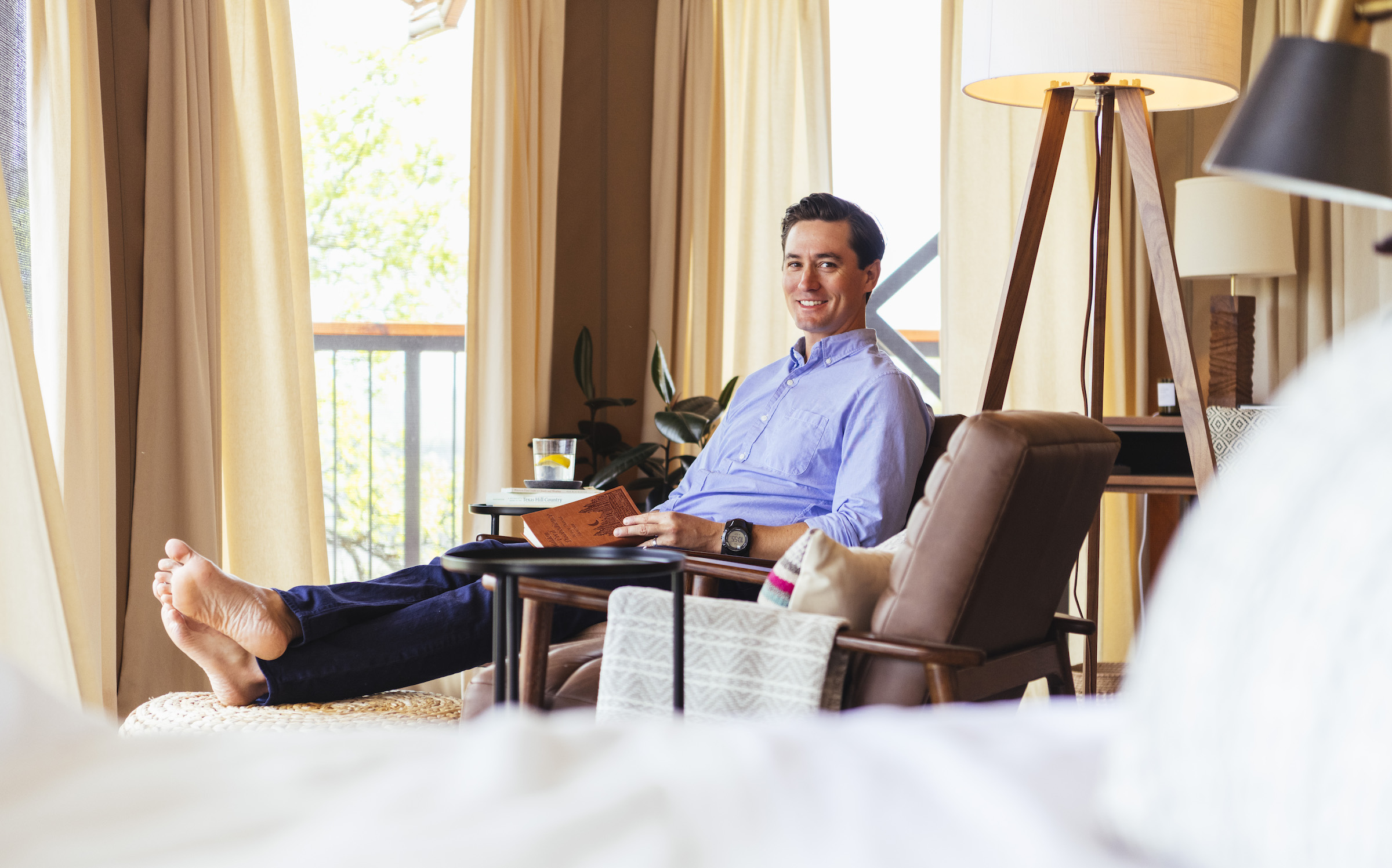
Walden Retreats is not only a concept that taps into our desires to live more simply, but it is a business built on thinking through thousands of details and distilling those into a relaxing weekend getaway. Spend any time with their founder, Blake Smith, and you will quickly realize his precise nature permeates throughout the beautiful, African inspired lodges that sit on the grounds of Walden Retreat’s first property.

Pretty early on in our conversation, I realized how thoughtful Blake had been in planning the entire business.  He went into great detail to describe every minute required to run Walden to the point that I now know how long it takes to vacuum each lodge (it’s 15 minutes by the way). Impressive? Yes, but not as impressive as the desire to do all of this in order to give people an unforgettable experience. I was fortunate enough to spend some time with Blake to get a behind the scenes view of what inspired Walden and what he is learning about turning the complex into the simple for everyone else to enjoy.
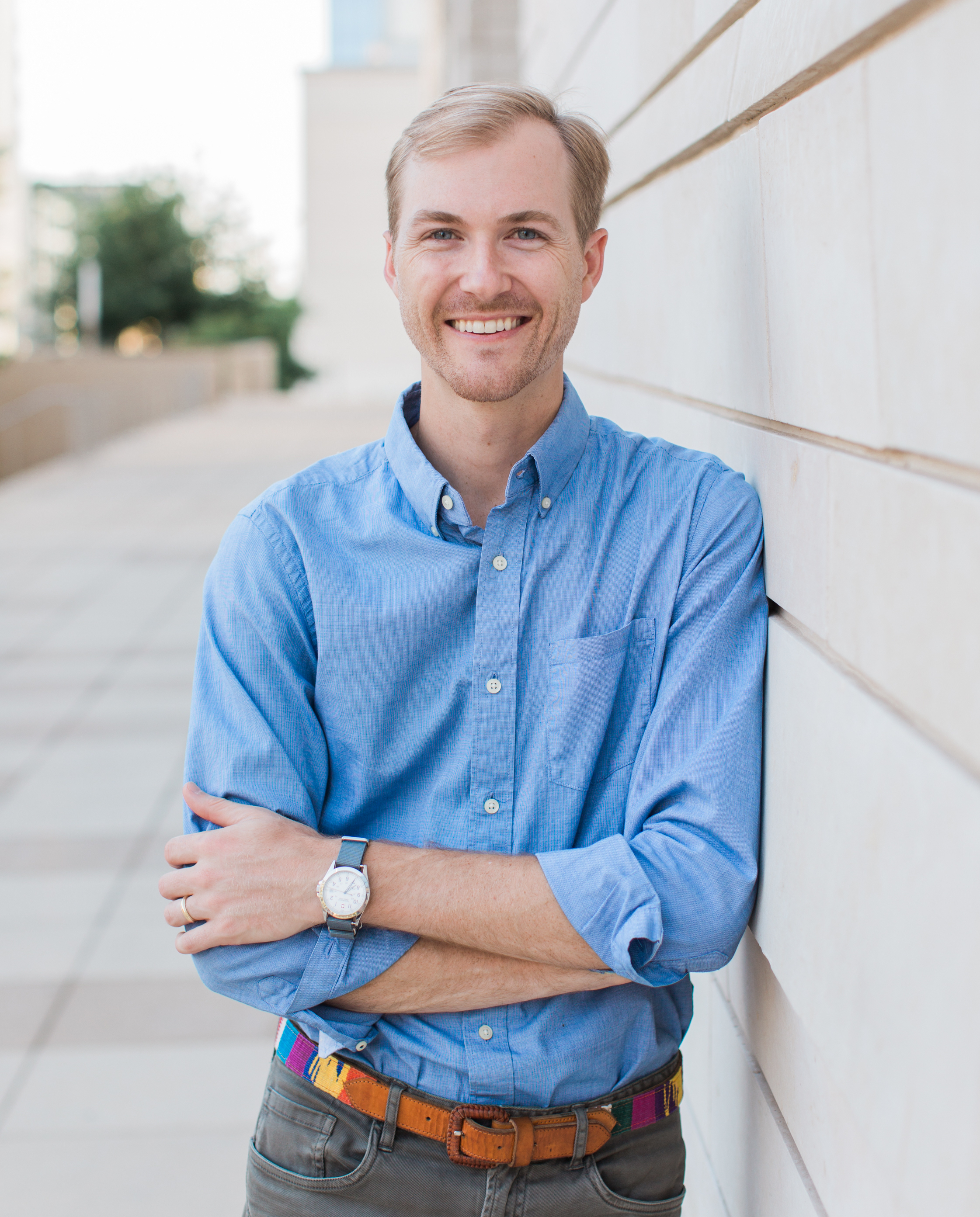
Blake Smith

Founder & CEO of Walden Retreats

Austin, TX

How and why did you start Walden Retreats?

The why behind starting Walden has both personal and opportunistic components to it.
Personally, I was looking to start a business that would fully utilize my strengths and passions. I am an outdoor enthusiast with a passion for building and creating things that other people enjoy. I have always enjoyed hosting people and providing environments for them to create memorable experiences in. So, hospitality seemed like a natural fit. I spent just as much time thinking about what I was meant to do in this season of life as I did thinking about what good opportunities were out there because I knew that if I wasn’t fully committed to it that it would never fulfill its potential. Fortunately, I feel like I found a once in a lifetime opportunity that is both personally fulfilling and has a lot of exciting potential in front of it.

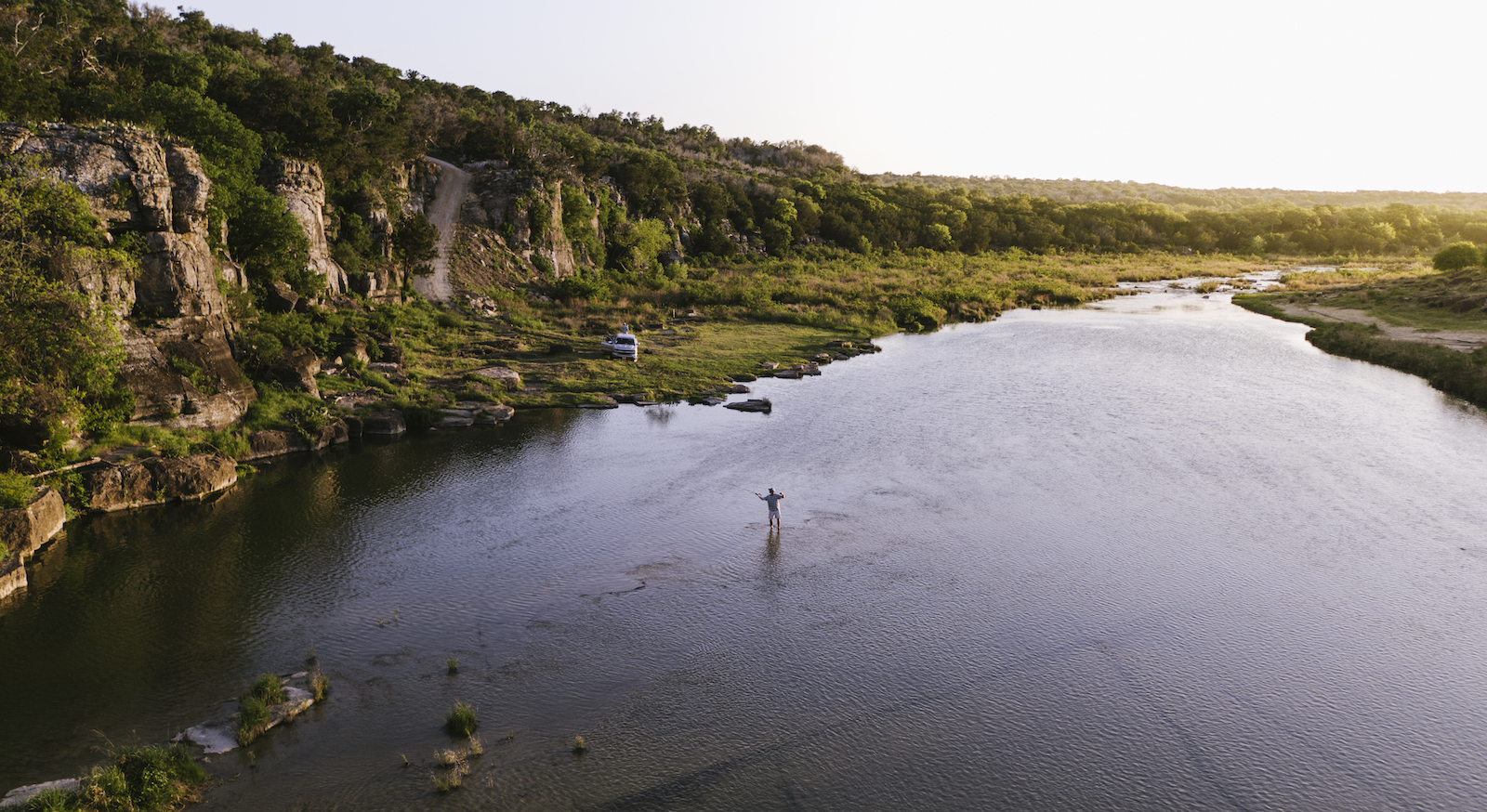
On the opportunity side of things, the concept for Walden took shape during my time at the Acton School of Business in Austin. Prior to school, I worked for 6 years as the co-founder and Executive Director of a social enterprise in Uganda called the Akola Project. During my time there, I traveled to many of the eco-lodges and high-end safari camps throughout East Africa and wondered why there were not more unique lodges like that in the US. When it came time to come up with a business idea to pitch during my venture class at school, I began researching the glamping trend that had started to catch on in the States. What I found was that a lot of the sites that were being started, were mom and pop type of properties without the style, refinement or attention to detail of a high-end hotel. In fact, there were only two other multi-site glamping brands, both of which had properties in hard to reach places like Montana, Colorado or Utah. I felt like positioning exquisitely designed properties 1-2 hours from major cities would provide people with an easy and convenient way to have an outdoor experience.

At the same time, the concept of giving people an easy, comfortable but real outdoor experience made a lot of sense to me. We live in such a nonstop world these days that finding time to slow down and really reflect on where we are going in life seems harder and harder to do. Camping is one of the best places to do this and I just didn’t see why getting out into nature meant that you had to spend hours packing up gear only to sleep on the ground and not take a shower for three days.

After school I began talking with industry professionals, friends and potential investors to get their input. I got a lot of positive feedback and decided I wanted to give it a shot. From there I began looking for properties around Austin and raising seed money to get the first rooms built and test the concept. Getting a prototype up and running quickly has proven extremely valuable.

And by prototype, you are referring to your first location outside of Austin, right?

Yeah, you could look at it as a prototype. Right now, it’s just two rooms, and two rooms are never going to make any money. We will have to get this property to 16 or more rooms and have it pretty full for it to work out. But building two tents was important because a lot of people don’t really understand the concept and what the tents would look like. Having something that people can physically see and touch has really helped us learn a lot about what it costs to build and how to do it right. Most importantly, I also think it has given us a lot of good input from customers.

So, would you say it’s been a relatively cheap experiment or has it been more than you were expecting to spend?

I would not call it a cheap experiment but in terms of expenses, we were actually pretty on point with our budget. I spent tons of time, researching every little detail that was going to have to be done, every piece of furniture that was going to go in the room, how much it would cost, etc.

We went out and raised about $900,000 and a good portion of that was to put a down payment on the property. So, we’ve got equity in the land alone, but I’ve made sure to mitigate my risk by making it a really attractive piece of property in case it doesn’t work.

You mentioned a lot of things taking shape while you were at Acton School of Business, what class did you away take the most from during your time there?

100% “Customers” class. I am definitely a believer in the idea that if you don’t have customers you don’t really have a business, you have a hobby. Because Walden is a “build it and they will come” idea, I had to offset that by really understanding what people wanted to do and would pay for. I knew something like Walden alleviated a lot of barriers for people to go camping. I also knew that in order for this to be successful it had to be a dramatic place and it had to be visually attractive to people.

Initially, some people said, ‘Why don’t you just go get some really cheap piece of land, lease it from somebody and put up a couple tents there to see if it works.’ I knew doing it that way wouldn’t be a great way to test demand because I didn’t think people wanted to pay for that kind of experience. I think you’ve got to give them something that’s really enticing and unique.  All of these thoughts and ideas were coming from assessing and understanding what the customer wants which is all part of what I learned during that class.

How many people have stayed at the property at this point?

65, and our calendar is pretty booked up already. I think we have one or two weekends available throughout the rest of the year. It’s pretty much been that way since three weeks of opening.

That’s impressive for such a short period of time, and it seems like you’re really onto something. Up to this point, what has been the most rewarding aspect of running Walden Retreats?

Getting to see the expressions on the faces of our guests when I show them into the tents and knowing that they are going to get a weekend they won’t forget. One of the key reasons I wanted to get into the hospitality business is because I’ve always gotten a lot of pleasure out of getting friends and family together and providing them with a good time. So, to be able to do something that I enjoy and that gives joy to others is really amazing.

What does a typical day look like for you?

I typically wake up around 6:30, have some coffee, and plan my day before having breakfast with my wife and son. After that, there’s not really a “typical day” but I do have a pretty typical week. Mondays I am out at the property cleaning the rooms from the weekend and doing various maintenance projects. Tuesdays I’m in the office communicating with guests, planning for our Phase 2 expansion and managing the typical administration of the business. Wednesday-Friday I’m out checking in guests and cleaning rooms. Every evening from 7-10 I am keeping up with emails and other admin work.

Is that the kind of day or week that you envisioned when you started this business?

Yes, but I did not expect it to be this busy this soon. Now that we have a pretty full calendar it’s great because I know exactly where I have to be on what day.

In the planning process of the business I thought through how every little thing would affect scheduling. For instance, “When do people want to check in?”, “When do they want to check out?”, “How long does it take to clean the room?”. I seriously went through and timed out how long it takes to change the sheets, vacuum the room, etc. I definitely did this all with a lot of precision.

So, we had to think through all kinds of logistical details about how to make sure that the first guests get a really great experience. I also wanted to make sure that we wouldn’t treading water, making it up as we went because we didn’t have a plan.

What has made starting a business like Walden Retreats more difficult than you expected?

Starting a business from scratch in Uganda was far more difficult than what I’m doing now and really prepared me for the journey that I am on with Walden. One thing that is especially challenging is the sheer number of decisions that I have had to make on my own over the past year. At times, it can feel like an impossible burden not only because is it mentally draining but also because the potential for the business to succeed or fail comes largely from the decisions I make.

For those of us that are unfamiliar with Akola project, what was the goal of the social enterprise and what lesson learned from that venture has helped you the most with Walden?

The goal, well, we didn’t really have one. That was a huge lesson learned.

To summarize, when I came into the organization, the founder was helping provide the resources to build an orphanage for a local facility in Uganda. When I came in to help finish that project, we began wondering if we should be doing something more. We met a few people who proposed the idea of us teaching women to make jewelry so that the organization could be more sustainable (keep in mind this is right after the crash of 2008 and it was very hard to raise money from donors).

The goal turned into making the organization more sustainable and to work with women or people in a better way to provide income and other benefits. However, we didn’t have a very clear vision of how to do that. When we would hire people, we’d give them a long, complicated explanation of our vision, but it wasn’t very distilled into something people could easily understand. Having that kind of clarity is critical for people to know what they are working towards every day.

You have to have a vision. You have to have it in writing. People have to understand it, there should be no confusion about it. That predicates and dictates everything else you do.

When thinking through Walden, I spent a lot of time doing that. And even though it’s a new company, it’s there. It helps inform what I do, what it’s going to become and it really casts a path forward.
Is social enterprise something that you ever see yourself going back to or is what you are doing now satisfying that itch that initially drew you to social enterprise?

I loved the work that I did overseas because I was serving people in a much different way. What we were doing was radically changing lives by giving someone a job and income. It was an amazing thing to be a part of and I feel super lucky and fortunate to have been put in that spot. It’s hard to find something that is so crystal clear as to why it matters. I never had to ask myself “Is this worth doing?” But being in hospitality and giving people a really unique experience that they cherish, but also need, is fulfilling and rewarding. I know that people are able to relax, unplug, and have important time together during their stay. That’s all really fulfilling to provide in its own right

Who/what have been the inspirations in your life that have pointed you in the direction to where you are today?

My favorite inspiration as it relates to entrepreneurship is from an interview with Steve Jobs back in the 90s where he states that “Life can be much broader once you discover one simple fact: Everything around you that you call life was made up by people that we’re no smarter than you and you can change it, you can influence it, you can build your own things that other people can use.” I find inspiration in this for a couple of reasons. First, it’s 100% true and it tears down the idea that you have to be super smart or from a certain background to succeed in business. As I have learned and I think many other entrepreneurs will tell you that having courage, persistence and always be willing to learn new things along the way is far more important and something just about anyone can do. Secondly, it frames life as a world of endless possibility and that we can change what our lives become.

A last source of inspiration is a quote from Teddy Roosevelt that says “Far and away the best prize that life has to offer is the chance to work hard at something worth doing.” I really like this because too often I get the impression that working hard is somehow drudgery. I see work as a natural expression of one’s skill and talent and could find nothing more important than to exhaust myself with the one life that I’ve got.

What are some of your daily rituals that are really important to you getting things done?

This year I purchased the Productivity Planner and it’s been life changing. As the lone employee in the company, there is just never enough time to do all the things I’d like to in one day. So every morning I take 10 minutes to write down the 5 most important tasks I’m going to work on that day and commit myself to achieving them before working on anything else. It isn’t always perfect but this process has reminded me that all mountains are climbed one step at a time through small actionable steps.

I have also made it a habit of exercising 3 days a week. This is really a must for me just like eating or sleeping. I’m really not my best self if I don’t exercise, and re-committing to this has been a really positive decision for who I am at work and at home.

How have you learned to balance the demands of your career with demands of family/personal life?

I see everything through the lens that life is a never-ending learning and refinement process. So, as it pertains to work/life balance, I’ll happily say that I’m still learning but here are a few thoughts. I don’t believe in work/life balance in a strict sense, but rather see life the same way the seasons move throughout the year. Sometimes there will be months or years that require sacrifices to be made to personal or family time for the sake of the business. I’m willing to make those sacrifices because I know the why behind what I’m doing and have had many conversations with my family about it. We have a 1-year old son and my wife has a business of her own as well so it’s been a steep learning curve for us on many fronts. But, we know the goals we are working towards and why they are worth sacrificing for, which always provides perspective when we go through tough seasons.

Wow. Two businesses in one family. Just curious, what is her business?

Sarah has a home goods company, Ara Collective, in which she works with artisans from around the world, specifically those in Central and South America and some groups in Mozambique. She takes a lot of their traditional crafts or weaving techniques in just redesigns them to fit a more modern home.

What one thing are you really into right now?

The Ketogenic diet. It’s had a profound effect on my energy level throughout the day.

Ideal weekend road trip?

I’ll keep it local and share a few of my favorite spots around Austin. First would be a stop at Salt Lick BBQ in Driftwood followed by an afternoon at Hamilton Pool. Then heading over to Jester King for some large format beer and pizza. I’d then drive out to Walden to spend the night and spend the next day visiting wineries along the 290 wine trail. Capping off the weekend would be a concert in Luckenbach.

If someone should know anything about your experience starting Walden Retreats what should they know?

It’s been a lot of fun and I have learned so much along the way. To get to do something that I love, that gives others joy and is always an adventure has been a tremendous privilege. It’s not always easy but knowing that I am working hard for something I believe in has made all the difference. One key lesson I learned in business school is to begin with the end in mind. I took a lot of time to write about what I wanted Walden to become in 10 years and really put my vision into words. While this is certainly nothing more than a prediction of the future and things certainly won’t go how I plan them to, it sets the path for the journey and always gets me back on track when I get lost.

Last question, any next location or plans that you can share as far as what the next year or so might look like for Walden?

No other locations that I can say with any confidence, but right now I’m working on a plan to expand the property into 16 rooms. We will probably have a pool and a pavilion for events, weddings and even corporate off-site weekend retreats and meetings. I plan on developing the property into a fully developed lodge and running that for a couple years so that I can use that as a template for other places.

I think the next location that comes to mind is Atlanta because I’ve lived there, I’m familiar with the area and you can get up to the mountains within an hour or two, so it checks a lot of those boxes. There’s also not really much in the way of this type of experience around there either. However, we’ve got to make this first location top-notch before we think about other properties.


For more information about Walden Retreats visit their website at Waldenretreats.com

All pictures credited to William Graham Photography

Bringing Life to Others through Business : A Conversation with Nelson Monteith of Honest Mary’s

Ieat a lot of bowls. Ask any of my coworkers and they will tell you about the countless bowls of very little variety I bring to the office every day. It’s quick, easy, filling, and relatively healthy. As often as I can, I also brag about how good they are to the unfortunate souls that have to watch me eat it without any to try for themselves.
In reality mine aren’t great, but the inspiration for my cooking habits traces itself back to a close friend who figured out a way to make one of the best affordable, fast, and healthy bowls in the country.  

Three years ago, and fresh out of business school, Nelson Monteith decided his desire for fast, high quality food, was not only something many other people in Austin wanted, it was something worth starting a business over. Fast forward almost 2 years and it’s pretty clear his intuition was onto something.


Honest Mary’s was recently named one of the Top 100 Restaurants defining Austin Dining, and it doesn’t show any signs of slowing down. Their strategy is clear and simple. Spend any time in the restaurant or browsing their Instagram page and you can quickly pick up on the clean and inviting look of their food and space. This isn’t by accident, but rather a sign of the culture and environment that Nelson has created. I sat down with Nelson and asked him a few questions to learn about what he has done behind the scenes to get Honest Mary’s where it is today.

Nelson Monteith

Founder & CEO of Honest Mary’s

Austin, TX

How and why did you start Honest Mary’s? Has the initial vision lived up to what you hoped/expected it would be?

Two answers to the ‘why Honest Mary’s?’ question. One is self-focused, and the other is others-focused. I believe both are necessary.


Selfishly, I wanted to start a business in general because the idea of creating something from nothing, being my own boss and betting on myself sounded like a total blast. More specifically, why Honest Mary’s? There are a few reasons. First, healthy fast casual is a growing market; people’s lives aren’t slowing down, and everyone is looking for new ways to be healthier. Also, restaurants are filled with talented & well-meaning chef/artists, but not enough entrepreneurs who truly consider the customers’ needs & desires over their own ideas and craft. Without customer need, there is no business. On this note, Mary and I were the prototype customers from the get-go. We’re consistently looking for genuinely healthy food on the go that is not a salad. On a more personal note, I had a health scare in college that helped to learn the power of healing our bodies through healthy eating. All of these forces came together to fuel the passion to start Honest Mary’s.

From an other’s focused perspective, the truest goal of Honest Mary’s is to be a blessing to others. Our vision is to positively impact countless lives through life-giving fast food. This means genuinely trying to give life to people – customers, partners, investors, employees and beyond – in everything we do. The way we serve people, the kind of food we make, the hospitality we provide, the aesthetic of our space…everything. I believe that if we can prioritize the needs of other people over our own, we will all ultimately have greater joy, more benefits, and experience a greater quality of life. This, I believe, is how God intended things to be. The hard part is that this takes more intentionality, because at the core we are prone to care more about ourselves than others. So, a very personal goal for Honest Mary’s is that we would help create a world that displays the beauty and power of caring for other people. I believe we’re doing some of this already, but certainly have a long way to go. That’s the fun part.

In the last year and a half of starting and running Honest Mary’s, what have you figured out you are really good at and how?

I’m not great with aesthetics, making food, building and fixing things, and managing a restaurant store. These may suggest I’m in the wrong industry. However, what’s carried me so far is my love for systems and processes, communication skills, vision, and hiring great people around me, with the last one being the most crucial. Truly, I’m nothing without the team around me. They know it and I know it. The goal is to make something great together, beyond what any one person can make on their own. In terms of figuring out what I’m good at and not good at, it’s just a matter of jumping in and figuring out where I’m strong and weak. Weakness just means opportunity for others to thrive.

What do you know now that you wouldn’t have believed if someone had told you before you started Honest Mary’s?

This one’s going to sound a bit funny and perhaps shallow, but the impact of basic accounting items like taxes and working capital. I really didn’t think too much about taxes before starting a business, but now it comes up all the time, and it has an impact on so many decisions: from the way you pay employees to the way you structure your company to the money you spend on the people to handle your taxes.


On the working capital side, payables, receivables and inventory are a huge part of the business that were hard to wrap my head around until I actually saw it playing out at Honest Mary’s.

Tell me maybe one example that comes to mind one as one of the hardest things you’ve had to do with Honest Mary’s. What was that really hard thing, and what was the result or the outcome?

The hardest thing that I’ve done so far is raise the money we needed to open the store. I truly didn’t think it’d be as hard as it was. I learned a lot about persistence. At the end of the day, though, it wasn’t just about my persistence.

I believe it was the Lord who provided the capital we needed to finish construction and open at just the right time. He made me ask him – beg him – for it. Ultimately, he provided what was needed. It’s funny how the hardest things have always been the most beneficial for my faith in God.

What have been the most rewarding aspects of starting and running a restaurant?

Creating opportunities to bless people in genuine ways. For employees, it’s not just creating a job (there are plenty of those in Austin), but creating a good job that dignifies them and creates joy and purpose in their lives.

For customers, it’s not just being another restaurant, but constantly seeking to bring life to their days through our food, service and space. For vendors and prospective vendors, it’s often as simple as treating them with respect by thanking them or just replying to emails in a timely manner.
We’re not perfect, but we’re always trying to be better in this area of caring for others, because at the end of the day that’s what makes it a win-win for everyone.

You really speak to kind of the culture that you’ve created. I want to hear more about the culture at Honest Mary’s and what specific things that you’ve done to create it?

First of all, that’s a tough question because I don’t feel like there’s a ton of like super practical things that we’ve been able to implement so far because we’ve been growing constantly since we opened. That’s a huge blessing, and a ton of fun, but it has put us in this place where we’re constantly trying to keep up and learn how to serve more people. That said, I think we’ve found ways to care for people through more practical means.

One of our core values is just to take care of ourselves. So, we’re always making sure that is the case with our employees. One example would be asking our people if they are getting in enough sleep.   I think a lot of times it’s also in the little things when the stress is really high – not letting the moment make me or managers all consumed with putting out whatever fire is currently going on – but making sure our people are still cared for in the process.

How would you say that mentality is communicated to potential employees during the interview process? Or how do you describe Honest Mary’s as a place to come to work?

So, we’ll always talk about our core values when we’re hiring people and we’ll ask questions about situations that prospective employees have had in the past.   We try to get a sense of what they have done in the past in certain situations and see if they are closely aligned with caring for other people.

And sorry, add on question, I don’t think we’ve talked about this yet. What are your core values?

We have four core values, two are really core and two we would consider more aspirational. Our number one core value is getting to know people. Our mentality is that we’re constantly wanting to know people and understand who they are. We believe that life is found in relationships and you will thrive when you are known and loved. So, we seek to understand people’s stories and openly share our own. Another one is just being excellent. One of our phrases around this is “The way you do anything– is the way you do everything.” You know in the restaurant industry, it feels like a lot of the things you’re doing are just kind of small, insignificant things. But each of those things amount to who you’re becoming and who you are. Another one, this is more of an aspirational one for us (which is just to say that we don’t feel like we’re completely here yet, but it’s something we’re striving for), is going the extra mile. This is really about serving customers and teammates on what is expected. I think for us, it all starts with treating our employees well because if you’re treating your employees well, it’s just going to rub off on customers. There’s no way you can you can control every interaction with a customer, but if you treat your employees well, then you don’t have to worry about how they’re going to treat your customer. The last one is taking care of ourselves, which I kind of already explained.

What are some of your daily rituals that are really important to you getting things done?

(This is an ideal day. Life happens.)

The early morning (5-8am) is my favorite part of the day, so I like to take advantage with this routine:


-Go to bed around 10pm and wake up around 5am
-Make coffee & take my dog on a walk
-Connect with God through prayer and reading the Bible
-Eat a great breakfast, usually with lots of eggs
-Sort through my inboxes and plan my day
-Between 8-12, I’m focusing on my ‘ONE Thing’ (Book Recommendation: The ONE Thing).

The goal here is to play offense and move the needle on my most important project, with as little distraction as possible. From lunch on, I’ll continue working on the big project, or otherwise have meetings with people, work on smaller checklist items, etc. In the evenings, I like to set work aside as much as possible and spend time with Mary or friends. This goes for the weekends as well, outside of Saturday mornings which I like to use to plan my week ahead.

How have you learned to balance the demands of your job with demands of family/personal life? 

It’s really hard. In fact, I’d say I do a poor job much of the time. I’m constantly trying to figure out how to balance my time better. One thing I’m learning: you can’t do it all! If you want to do something great, it’s crucial to say ‘no’ to lots of things – even great things.

What one thing are you really into right now? 

Simplifying.

You got to give me a little more than that. What do you mean?

I’m learning that the more things that I try to do the less stuff I actually do well. So, I’m trying to learn how to focus in on the stuff that’s really important and what’s most important right now. It means saying “no” a lot and I hate saying no. I think it was Steve Jobs that said that focus is all about saying no and it has been a massive part of being able to really move the ball forward with Honest Mary’s. More personally I’ve thrown a lot of physical stuff away in the past few years. Mary and I have really bought into simplifying our lives (Book Recommendation: The Life-Changing Magic of Tidying Up). We did this exercise where you literally hold in your hands, every single thing you own, and ask the question “Does this bring me joy?”. It was really powerful because you end up throwing away tons of stuff and it’s pretty freeing.

There isn’t an insider chef scene or like restaurateur scene in Austin you are a part of is there?

While I don’t discount being active in the restaurant community, I also don’t think it really helps me to spend a lot of time ‘networking’ or ‘being connected’, outside of some key relationships with close restaurant friends.


I didn’t start this to create the most beautiful dish in the world. I created it to solve a need which was healthy, fast, fresh food. I think we are the only restaurant in Austin that serves genuinely healthy, genuinely fast, genuinely fresh food.
One more thing I’ll add. When I was setting out to consider starting a healthy fast food restaurant, I read everything about every restaurant. I did my research and I understood the market really well, but once I decided to do this it became unhelpful for me to continue to track every restaurant because it just created in me this frustration that we weren’t moving fast enough or a fear that we were going to get caught up to. Surveying competition is healthy to an extent, but then you just need to put your head down and go. That’s where we’re at right now.

Alright, on to the easy questions. What is your ideal day in Austin?

Starts out with a run around Lady Bird Lake. Then Grab breakfast tacos & coffee w/ friends at Tacodeli & Houndstooth. Probably do something productive (I could skip this and sometimes Mary makes me, but accomplishing things always makes me feel good). Drink more coffee; then an IPA. Dinner at Eden East with friends. See a great show at ACL-Live followed with a nightcap at the Hotel Van Zandt. Of course, sleep in the next day!

For anyone that is reading this and hasn’t tried Honest Mary’s. What should they order their first time? 

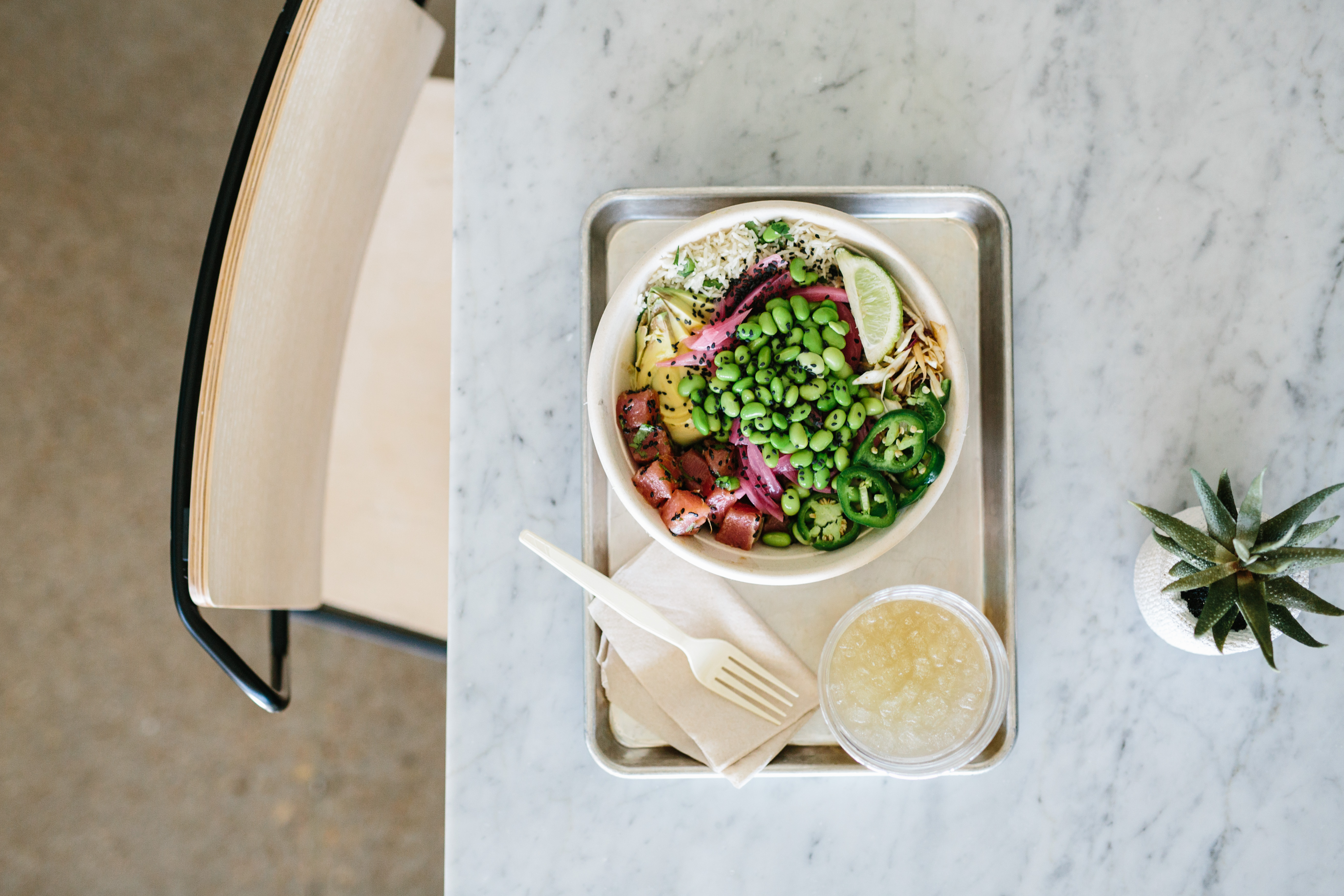
They should order either the Sedona lime or the Aloha poke bowl. Sedona lime is what I like to call our every man’s bowl (think a Chipotle bowl with sweet potatoes and spinach sourced with a bunch of local ingredients). It’s really approachable and it’s everyone’s favorite. It has our favorite sauce in it (cashew lime crèma sauce) which is an avocado based sauce. The Aloha poke bowl is actually our number one selling bowl right now. What’s funny about that as we almost didn’t put poke on our menu at all, but realized it was such a trendy thing and it was relatively easy for us to add.

When can we expect to see a new restaurant or where? 

Without giving too much away, the next restaurant will be in Austin within a year now.
 

Last question, if someone should hear anything from your experience with Honest Mary’s, what should they hear?

Seek to value and treat others well. It’s worth it.


For more information be sure to visit their website at: 
https://www.honestmarys.com/


To see past interviews, click below:
Past Interviews