A Lesson in Servant Leadership & Tacos: A Conversation with Ford Fry

Scroll Linkedin for 20 minutes and chances are high you will see the term “Servant Leadership” headline an article. It’s everywhere in business culture these days, but rarely is it practiced. If you don’t believe me spend 5 minutes talking with a friend about what their boss is like. Your friend may not use current “business speak”, but the tone used to describe their frustration is enough of a clue that they aren’t witnessing it day-to-day. This begs the question, if we intuitively know what servant leadership doesn’t look like, then what does it actually look like?

It’s Friday night and you are going to dinner with your significant other for a nice date. Immediately, you are greeted with a warm smile by the hostess and shown to your table. You can’t help but look around because every single detail in the place is so meticulously thought out. A specific vibe permeates throughout the building and quickly takes you to another place. So much so, the busy traffic you had to drive through to get there seems like a distant memory. The rest of the night is spent enjoying conversation and amazing food. The lighting and the music enhance the entire meal, and your waiter is someone you actually want to be friends with. You leave feeling refreshed, carefree, and likely with a pocket full of matchbooks.

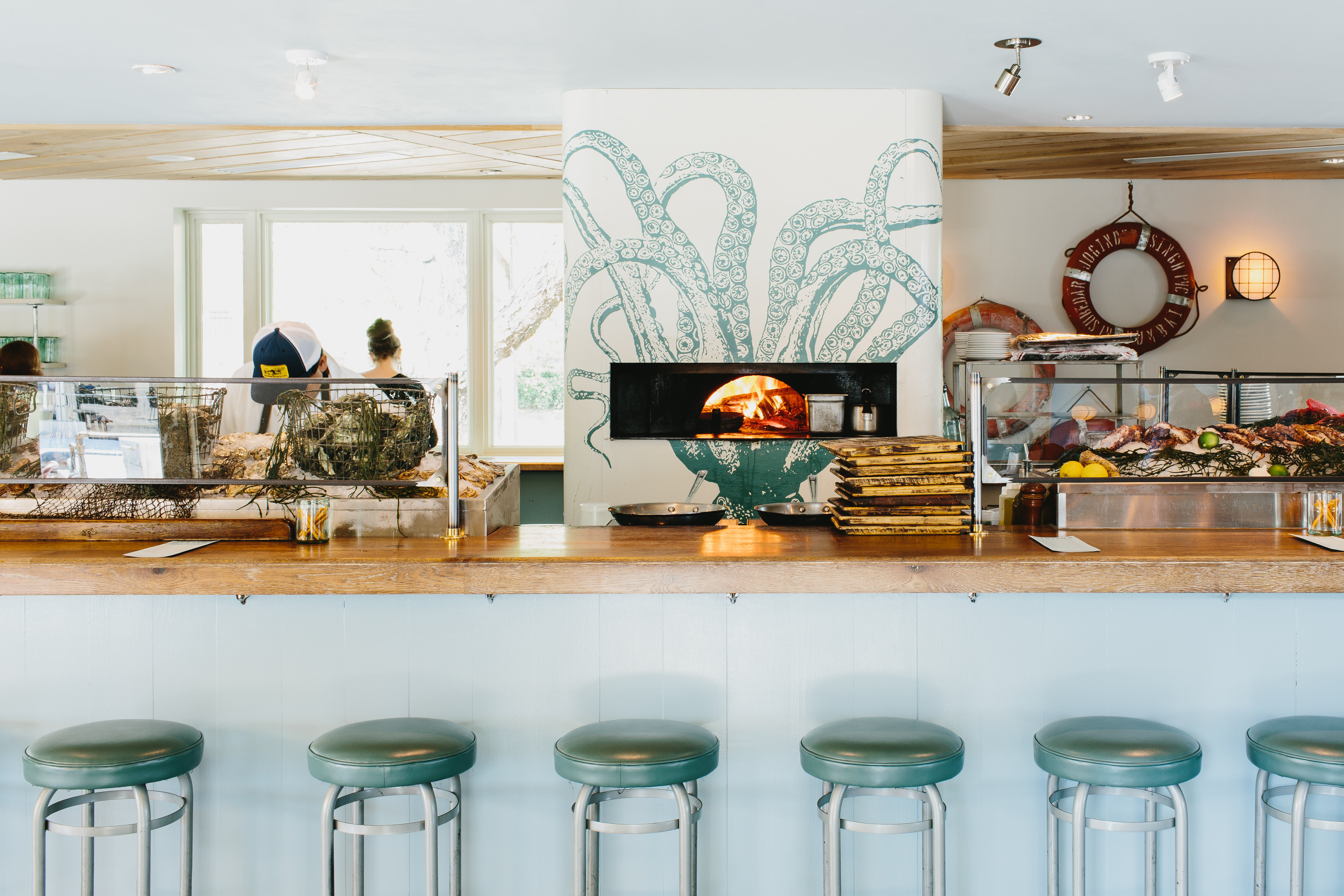
Those of you who have experienced a night like this in Atlanta probably recognize that I am describing a Ford Fry restaurant. A restaurateur and chef of 16 restaurants across 3 states, Ford has a deep understanding of how to translate thousands of details into an unparalleled restaurant experience.

Over the years of experiencing his restaurants, I’ve tried to pin point what I think is so special about eating there. The subtle, cool details come to mind, and of course the food, but I’ve always known it was something else. Not until recently did I come to understand that it is the foundation of a servant’s attitude that makes it stand out. You can see it on your waiters’ face, you can hear it in the conversation with the bartender, and you can taste it in the food. At the root of all of this? Ford’s desire to serve others, which is defined by a humility rarely seen in successful business leaders.

I sat down with Ford to hear more about his story, his passion for food, and how he’s been able to build such a strong culture through servant leadership.
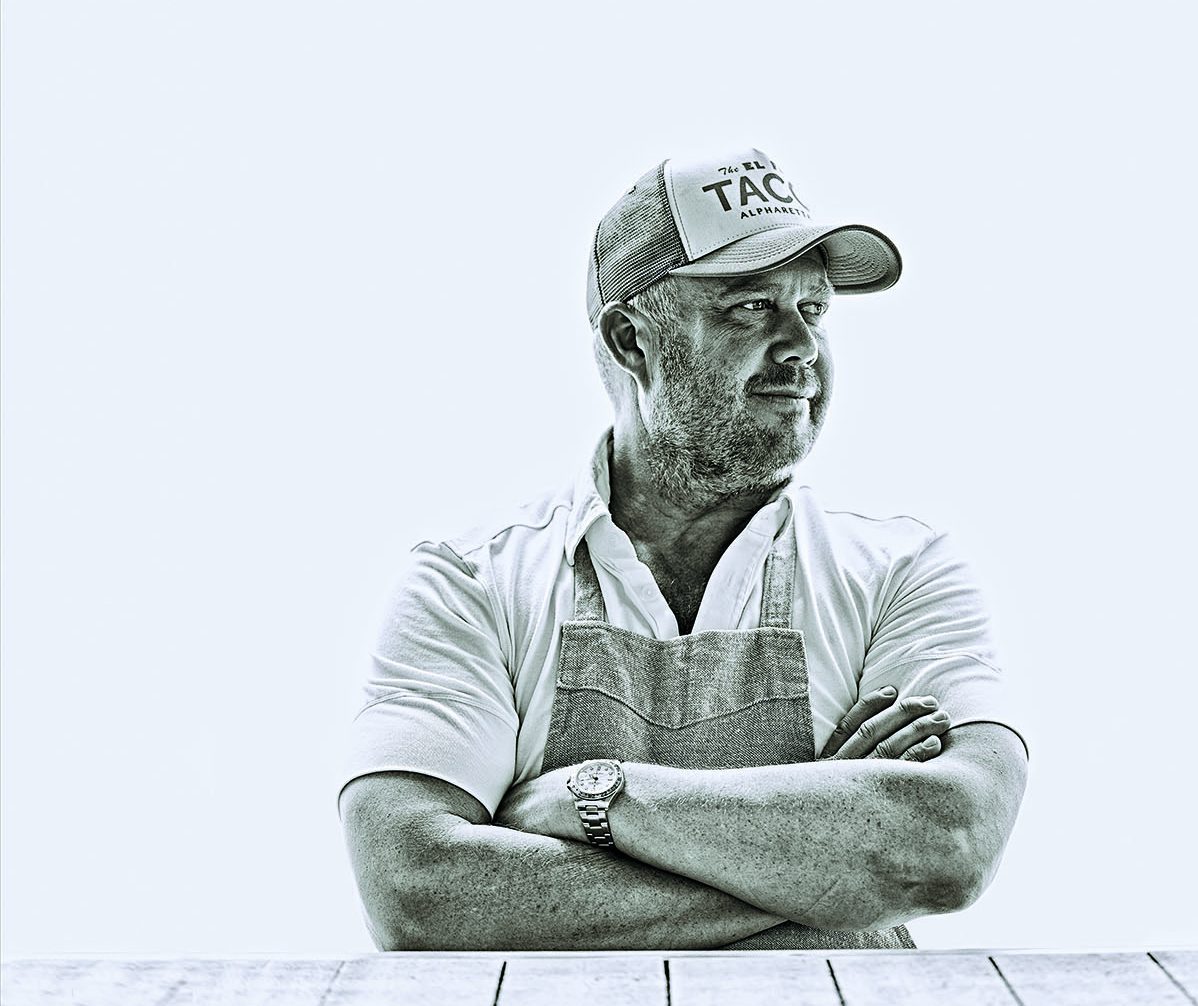
Ford Fry

Founder of Ford Fry Restaurant Group

Atlanta, Ga

How did your upbringing influence your desire for entrepreneurship and specifically starting restaurants?

My grandfather was a doctor but also a businessman because he had his own practice. My dad did all kinds of random things real estate and stuff like that. So I imagine that played a lot into it. When I went to college, I didn’t really study. I’ve always been a learner by doing as opposed to studying. School wasn’t really my thing but I can remember contemplating having my own business. I think when I started thinking about that, my family really played a role in pushing me towards that more than ever before.

I remember one point in time when I was trying to make up reasons why I couldn’t go out there on my own to start something. I would make up excuses like “well, I need a partner” and my grandfather would say, “Why do you need a partner? Can’t you just hire someone to do that?” My family continually spoke into me if I was trying to go down a direction that I shouldn’t go.

Let’s go back a little bit though. Early on, I always loved restaurants. I loved going out to eat. We traveled a lot and we ate out. I always loved the experience of a restaurant, but being a chef or getting involved in that angle never seemed like a possibility because it was viewed as a blue collar or trade job. You know what I mean? Back then, the manager in the suit out front was the cool guy. Whereas now, the chef is the cool guy, but it wasn’t that way when I went to culinary school.

Deep down there was always something that drew me to the experience of food and the experience of eating around a table with my family and grandparents. I don’t think that was clear to me until I started thinking about getting into cooking.

When you got out of culinary school, you spent some time in corporate restaurant environments. At what point did you think to yourself, I can do this my way and probably better?

At one point in my career I was in Aspen, Colorado and that’s when I thought about being ready to have my own place. So, I looked into Boulder, Colorado and met up with a chef in Denver and talked about starting a place in Boulder. I started going down that road and ended up pulling out, luckily because I wasn’t ready. I didn’t really know what I was doing. It wasn’t until I came to Atlanta and was in a corporate chef role running a place called Eatzi’s that I started to feel ready. It was this massive food production for people who didn’t want to cook. You’d go in and everything was made for you and you’d buy it and take it to go. Everything was made from scratch and there were thousands of pounds of food.

I really learned the business side there. Before Eatzi’s, my experiences were all about the art of cooking and fine dining and never really about making money. At Eatzi’s, we were forced to run things efficiently or we would be let go. So when it was finally time to start my own restaurant, it was pretty easy compared to what I as doing.

Who were some of the key hires you made when you first opened JCT?

When I first opened there was a guy I worked with at Eatzi’s who had run restaurants for a long time. He was the general manager and I really needed someone like him who knew how to run the front of the house and servers. So he focused on setting that up and I focused on the design/experience side as well as all of the food and kitchen.

Second was a chef that I brought on (who’s still with us today) who’s name kept coming up from other chefs. He was kind of a quiet guy, but just a solid cook. So I met with him and he did a tasting for me and we immediately saw eye-to-eye on how we like to cook and how we like to eat. He was pivotal. He made a lot of impact on what we are doing today. He enabled me to be able to look forward and into the future.

I know things with JCT went pretty well from the beginning. What were some of the valuable lessons you learned through the expansion process?

Yeah, JCT kept going forward even during a recession. At that point, I was making decisions based on my gut, with things like what the prices should be and what the concept should be for a location. I took all the responsibility on myself for making the right decisions for the business model. After I opened 246, which was our second restaurant, I hired my old boss, Toby. He was my old boss in Aspen and Santa Barbara. He’s also a few years older than me and from Scotland. I always thought about him as the best boss I ever had and I loved the way he managed.

He wasn’t buddy-buddy with everybody but he treated everyone with respect. I hired him as our COO and at that point everyone started reporting to him and he reported to me. That move was truly key to keeping me focused on growth. My vision for what I wanted to build totally lined up with what he wanted to do. Toby had just gotten done with 10 years of consulting in Asia and had a place here in Roswell actually where I lived. It was just very random that we reconnected and only lived a couple miles from each other and had no idea.

So really putting someone in place like that who was just an incredible general that also saw eye-to-eye on things was big. We’ve never had an issue where we disagreed on something, and we just think really similarly.

In your model you really give a lot of autonomy to each chef in the specific restaurant. How have you learned to manage the experience across the restaurants while chefs are still making it their own?

For the most part it’s been about education as opposed to dictating things from our office. We constantly educate on our philosophies and educate on why we feel certain things work. It’s more than cooking, it’s also how we do things from a PR, Finance perspective. It’s all about training them in the way we think. By setting up these things we call “modules” and having employees take them, they prepare themselves for the next level of job.

We’ve hired people from the outside for upper level jobs before and they rarely work. The ones who have really thrived are the ones who come up through the ranks because they are more passionate about what we are doing and they understand how we think about things.
A lot of it is empowerment and servant leadership. We approach conversations from the perspective of wanting to help chefs as opposed to getting mad. From that educational standpoint, we are saying, “hey, we want to teach you to be a great restaurant operator or a great chef from all of the angles not just about food.”

That approach is pretty new for most chefs because typically they go into a restaurant and they’re asked to perform a task and to hit a number. Here, we are talking about all kinds of things. For instance, they are heavily bonus based on social media scores. So we are forcing them to really be aware of not only what’s going on with the food, but a lot of other things as well.

Correct me if I’m wrong, but every employee goes through the same training right? What inspired that and at what point was that established in the company?

Early on when we hired our COO, Toby, our orientation became a big part of the company. His passion is training and inspiring people, so he took that and single-handedly set it up. He came from resorts and a lot of times that’s a big thing with resorts.

One of the things he does early on when people are hired is let people go if they are nodding off during an orientation. If he sees something that is off, he lets them go right then and there. It doesn’t matter who you are, even if you are at the lowest level. He’s executing our orientation and he’s seeing how everyone is engaging. It’s nice because sometimes we might not have the best hires, but this is a way to protect our culture.

What would you say are the two or three most important characteristics you look for employees?

The current state of the market right now makes it tough, but we typically try to find people with strong attitudes and then train everything else. I’m also looking for people that we can relate to and I think are going to understand the culture. That’s a culture of empowerment and not managing every move.

We’re here to listen to employees, so people who conform to that kind of environment and bring great ideas to the table, perform well. A lot of people come from restaurants like a Houston’s or a big chain restaurant and they can’t perform because they’re so used to being told what to do. We want people to be able to think for themselves. We definitely have systems and guidelines and things like that, but we typically generate people who can perform in this industry, even when they move on from us. A lot of times when we get people from other restaurants and they are applying for a general manager position, they are really more like a low-level manager in our eyes.

Jct Andrew Thomas Lee 2

Who or what have been the biggest inspirations in your life that have helped you get to where you are?

I never really had a mentor chef. I’m kind of independent. I probably would go back to my grandparents. They were the types of grandparents that always spoiled you but everything was done with the purpose of education. They taught me food and I’m lucky that I experienced traveling and food with them. I may have wanted to eat a burger somewhere or something like that, but I’d be forced to eat duck. Our vacations were always educational and we always had to learn something or read something.

You’re making this all sound really easy. What would you say has been the greatest business failure you experienced and what did you learn from it?

The way I look at myself now is as a producer as opposed to a chef. I definitely lean towards the chef side of things but I see myself as a producer of restaurants and restaurant experiences. Everything from the entire concept, to the food and menu, to the graphics and the design. Early on, I may have been a little bit too trusting and not speak up when I thought something wasn’t going in the right direction. I would see a decision, not feel right about it and be afraid to say something. It could have been a menu item or design element. It never failed, whatever that thing was, it would come back to bite me.

For example, something like chairs in a restaurant. I would let a bar stool pass because I thought the designers knew what they were talking about. At the time, I was thinking to myself, these stools look like they are going to break and not be that comfortable. Next thing I know, we are getting reviews that they break and aren’t comfortable.

So, I’ve learned to not let anything go. If I feel something, I should speak up about it. I’m a little bit more on the passive side and I never thought I was a great manager. I may be a good leader, but I always wanted to be the nice guy. I’ve gotten past that and I’ve hired people to help with that.

Marcel Employees

What do you think makes a great business leader? And how has your opinion on that changed over time?

Every time I think about a leader, I think of Braveheart and that scene where he’s on the horse and he’s in the frontline. Sometimes I fall short of this and I could have been a little passive at times, but a great leader is someone who is out in front in the trenches with his people.

I’ve always felt that leading by serving and putting others before yourself is huge in leadership. It has a big impact on staff retention as well. You can do it in a fake way, so you have to truly embrace it and care more about someone else’s well being than your own. By pouring into and serving someone it never fails to be helpful to them and it’s always come back and been great for me.

Is that something you’d say you’re doing on a day-to-day basis?

Yeah, everyday. I remember early on when we had to watch money, my wife would be like, “Why are you giving them a raise? Why can’t you give yourself a raise?” And I would just say that they need it more than I do and they deserve it. A lot of times I’m leaning towards that mindset.

What are some of the daily rituals you have that are really important for you to get stuff done?

I’ve been going to the gym and that has been so amazing for feeling better. I’ve always been one of those guys in the past that would sleep and sleep and never wanted to get up. Now I wake up at a somewhat decent hour and my mind is so much clearer and I can see things. I’m a better person, a better leader. I can inspire a little bit better now that I am taking care of myself.

Early on, my goal out of the gate was to learn everything. So everyday, I had the same ritual and I did everything everyday. I never wanted to be in a place where I didn’t know how to do something in the business. Am I a pro at managing servers? No, but I understand everything. I know how to run payroll and all this stuff.

There was this book that one of my roommates in Aspen told me I needed to read called The E-Myth. I remembered it being a story of a woman who started a pie-making business. She didn’t have time to look at the future or focus on the future because she was so busy making pies all day. I realized that clicked with me and that I needed to be in a place where I can be looking towards the future while staying connected to the current.

I can remember working with a chef from New York one time at a charity function and he told me he was off on the weekends. I was like, “How are you off weekends?” He said he made sure the restaurant was big enough so that it could afford him to walk away when he needed to walk away. I still don’t take weekends off because I don’t want to, but I don’t have to be there anymore. If my son’s playing tennis or my other son has something going on in Georgia then I’m there. I don’t have to be anywhere though, and that was the goal. It’s taken 12-13 years but I’m there now.

So you always hear about restaurant culture being a huge grind. How have you learned to balance those demands with being a husband and a father?

Early on, I made sure that my time off was focused. With my sons, we’d call it bro time and that was time I could take them away from my wife, but it was also time that I could really bond with them. We’d go out to the park and act like we’re dinosaurs or whatever. We just made it a ritual and it was something we didn’t miss for anything.

With being a husband, I started dating my wife when I was working a hundred hours a week so she knew it going into it. I do think about other Industries and I don’t know that other Industries are really any different. You know, really anyone who’s an entrepreneur is putting in a grind. I’ve never seen anybody be successful by not doing that.

What are the most rewarding aspects of what you do?

I’ll give you an example. When we first started JCT, I told the designer going into it, I wanted it to be a place that’s nice enough for a date night, but casual enough for weekly visits. I remember one time I was standing outside and saw someone talking on the phone to somebody saying, “You need to come see this JCT place. It’s cool because its nice enough for a date night but also casual.” In the moment, I’m just like, “man, that’s exactly what I set out to do.” I love hearing that confirmation.

It’s happened with The Optimist too. I wanted it to feel like you are down at Rosemary Beach or on vacation so that whenever you come, it takes you out of work or whatever and into another place. I hear people saying that they feel like they are on vacation when they are there. So, I guess it’s just that confirmation that what you set out to do you achieved and I don’t know any better fulfillment than that for me.

What kinds of filters or thought processes do you use when you’re thinking about a new restaurant concept? What are the steps you use to decide if an idea is worth doing or not?

Number one it starts with the location and what does the city need that at that location. So let’s look at The Optimist.

There weren’t really many places to get oysters at the time in Atlanta. I mean there was Fontaine’s and a couple corporate chain restaurants where you could get oysters, but there was nothing that was similar to what I saw in the Northeast Coast: something that was right by the beach and had a cool oyster bar. So I thought the city needed this concept.

Second, what am I passionate about cooking? Say the city needed some goulash restaurant and I didn’t have any passion for making that, I wouldn’t do that. So once all of these things starting fitting together, it then goes into what is the price point for going to be for this neighborhood? Does the price point work for that neighborhood? Does the neighborhood have that kind of money to spend $65 a person on average? Once those boxes get checked then it gets into what’s the lease and the rent? What’s the cost to get going? It’s just a basic feasibility study.

We projected for The Optimist somewhere around $4.5 million a year. I thought it would do $7-something but that’s me being an optimist. Coming out of the gate we did about $8 million a year. But all of those things and questions are factors that come into play on whether or not it’s going to work.

There was this place in East Austin, and it’s a good example of something that actually didn’t work. There was a restaurant there called LaV and the person that started it was into wine and so it was really fancy and had a lot of fancy wine. I remember thinking this restaurant doesn’t fit this neighborhood. Some guy bought this restaurant and was trying to turn it. The numbers he told us he needed for rent had no chance of working with our projections. I was going to casualize it a little bit and make it a little funkier to fit into East Austin, but he could never get there.

So we had to walk away even though I really wanted to do it. The numbers just didn’t lie. It’s pretty basic, but the numbers never lie. I used to be the one who had to build all the spreadsheets. I’m not sure I can do it anymore.

What does the future look like? What things are you looking forward to figuring out and doing next?

I don’t think it’s any hidden thing that Superica is a growth vehicle for us. So in the future, there’s probably going to be some sort of a liquidity event of an additional investor coming in, taking some money off the table for us, and throwing in some money to grow Superica throughout the country. Then there will probably be some sort of liquidity event after about five years that I don’t think is retirement money but definitely life changing.

I want to be more of a mentor/investor in certain things or continue to kind of do what I’m doing but start something on my own. I realize that at my age you think you’re creative and going to think you’re still with it, but I still have listen to those in their 20’s and 30’s. I’m trying to keep myself grounded and listening to understand versus thinking that I know better.

I’m really passionate about nostalgic types of restaurants like Marcel and it is really fun for me to go back and cook from my memory and do a retro stuff. I’m not looking at doing anything modern but who knows? I don’t know what things will look like after 5 or 6 years, but things do change. Any other entrepreneur will tell you when they start seeing some success they’ll feel that it’s a big breather. You go from budgeting by putting $20 in this envelope and $50 in this one to not having to kind of worry about stuff. Just live life, have more fun, and give back a lot more.

What’s your favorite hidden gem restaurant in Atlanta?

Masterpiece Sezchuan out Buford hwy. It’s a bit farther than the other cluster of ethnic restaurants but it’s fantastic. Other than that, Floataway Cafe has been around but has fallen out of sight out of mind but is always a super great spot.

Andrew thomas lee

In light of Little Rey opening, what’s the best taco you’ve ever had and why?

How about two (both different styles)? One is from the back of this Texaco gas station that’s out on Alpharetta Hwy and it was classic Mexican street style. What I liked was the simplicity of it: Just a corn tortilla (fresh), meat, cilantro and onions, plus salsa. What made it the best was the ratio of meat to tortilla. The meat needs to be full enough where a little falls out when taking a bite.

Two, a taco I have made for events a few times that’s not classic but super yummy. A just-made flour tortilla, smoked pork belly, fried plantain, sweet peanut drizzle, a little red chile mayo, shaved serrano chiles, mint, cilantro, and crushed peanuts. It falls in the banana and peanut butter thing with some fatty pork belly.


For more information on Ford Fry, be sure to check out the following:

Ford Fry Restaurant Group

Creative Mornings

Tex Mex Cookbook

Photo credit:

Andrew Thomas Lee

Johnny Autry

Heidi Geldhauser

Bringing Life to Others through Business : A Conversation with Nelson Monteith of Honest Mary’s

Ieat a lot of bowls. Ask any of my coworkers and they will tell you about the countless bowls of very little variety I bring to the office every day. It’s quick, easy, filling, and relatively healthy. As often as I can, I also brag about how good they are to the unfortunate souls that have to watch me eat it without any to try for themselves.
In reality mine aren’t great, but the inspiration for my cooking habits traces itself back to a close friend who figured out a way to make one of the best affordable, fast, and healthy bowls in the country.  

Three years ago, and fresh out of business school, Nelson Monteith decided his desire for fast, high quality food, was not only something many other people in Austin wanted, it was something worth starting a business over. Fast forward almost 2 years and it’s pretty clear his intuition was onto something.


Honest Mary’s was recently named one of the Top 100 Restaurants defining Austin Dining, and it doesn’t show any signs of slowing down. Their strategy is clear and simple. Spend any time in the restaurant or browsing their Instagram page and you can quickly pick up on the clean and inviting look of their food and space. This isn’t by accident, but rather a sign of the culture and environment that Nelson has created. I sat down with Nelson and asked him a few questions to learn about what he has done behind the scenes to get Honest Mary’s where it is today.

Nelson Monteith

Founder & CEO of Honest Mary’s

Austin, TX

How and why did you start Honest Mary’s? Has the initial vision lived up to what you hoped/expected it would be?

Two answers to the ‘why Honest Mary’s?’ question. One is self-focused, and the other is others-focused. I believe both are necessary.


Selfishly, I wanted to start a business in general because the idea of creating something from nothing, being my own boss and betting on myself sounded like a total blast. More specifically, why Honest Mary’s? There are a few reasons. First, healthy fast casual is a growing market; people’s lives aren’t slowing down, and everyone is looking for new ways to be healthier. Also, restaurants are filled with talented & well-meaning chef/artists, but not enough entrepreneurs who truly consider the customers’ needs & desires over their own ideas and craft. Without customer need, there is no business. On this note, Mary and I were the prototype customers from the get-go. We’re consistently looking for genuinely healthy food on the go that is not a salad. On a more personal note, I had a health scare in college that helped to learn the power of healing our bodies through healthy eating. All of these forces came together to fuel the passion to start Honest Mary’s.

From an other’s focused perspective, the truest goal of Honest Mary’s is to be a blessing to others. Our vision is to positively impact countless lives through life-giving fast food. This means genuinely trying to give life to people – customers, partners, investors, employees and beyond – in everything we do. The way we serve people, the kind of food we make, the hospitality we provide, the aesthetic of our space…everything. I believe that if we can prioritize the needs of other people over our own, we will all ultimately have greater joy, more benefits, and experience a greater quality of life. This, I believe, is how God intended things to be. The hard part is that this takes more intentionality, because at the core we are prone to care more about ourselves than others. So, a very personal goal for Honest Mary’s is that we would help create a world that displays the beauty and power of caring for other people. I believe we’re doing some of this already, but certainly have a long way to go. That’s the fun part.

In the last year and a half of starting and running Honest Mary’s, what have you figured out you are really good at and how?

I’m not great with aesthetics, making food, building and fixing things, and managing a restaurant store. These may suggest I’m in the wrong industry. However, what’s carried me so far is my love for systems and processes, communication skills, vision, and hiring great people around me, with the last one being the most crucial. Truly, I’m nothing without the team around me. They know it and I know it. The goal is to make something great together, beyond what any one person can make on their own. In terms of figuring out what I’m good at and not good at, it’s just a matter of jumping in and figuring out where I’m strong and weak. Weakness just means opportunity for others to thrive.

What do you know now that you wouldn’t have believed if someone had told you before you started Honest Mary’s?

This one’s going to sound a bit funny and perhaps shallow, but the impact of basic accounting items like taxes and working capital. I really didn’t think too much about taxes before starting a business, but now it comes up all the time, and it has an impact on so many decisions: from the way you pay employees to the way you structure your company to the money you spend on the people to handle your taxes.


On the working capital side, payables, receivables and inventory are a huge part of the business that were hard to wrap my head around until I actually saw it playing out at Honest Mary’s.

Tell me maybe one example that comes to mind one as one of the hardest things you’ve had to do with Honest Mary’s. What was that really hard thing, and what was the result or the outcome?

The hardest thing that I’ve done so far is raise the money we needed to open the store. I truly didn’t think it’d be as hard as it was. I learned a lot about persistence. At the end of the day, though, it wasn’t just about my persistence.

I believe it was the Lord who provided the capital we needed to finish construction and open at just the right time. He made me ask him – beg him – for it. Ultimately, he provided what was needed. It’s funny how the hardest things have always been the most beneficial for my faith in God.

What have been the most rewarding aspects of starting and running a restaurant?

Creating opportunities to bless people in genuine ways. For employees, it’s not just creating a job (there are plenty of those in Austin), but creating a good job that dignifies them and creates joy and purpose in their lives.

For customers, it’s not just being another restaurant, but constantly seeking to bring life to their days through our food, service and space. For vendors and prospective vendors, it’s often as simple as treating them with respect by thanking them or just replying to emails in a timely manner.
We’re not perfect, but we’re always trying to be better in this area of caring for others, because at the end of the day that’s what makes it a win-win for everyone.

You really speak to kind of the culture that you’ve created. I want to hear more about the culture at Honest Mary’s and what specific things that you’ve done to create it?

First of all, that’s a tough question because I don’t feel like there’s a ton of like super practical things that we’ve been able to implement so far because we’ve been growing constantly since we opened. That’s a huge blessing, and a ton of fun, but it has put us in this place where we’re constantly trying to keep up and learn how to serve more people. That said, I think we’ve found ways to care for people through more practical means.

One of our core values is just to take care of ourselves. So, we’re always making sure that is the case with our employees. One example would be asking our people if they are getting in enough sleep.   I think a lot of times it’s also in the little things when the stress is really high – not letting the moment make me or managers all consumed with putting out whatever fire is currently going on – but making sure our people are still cared for in the process.

How would you say that mentality is communicated to potential employees during the interview process? Or how do you describe Honest Mary’s as a place to come to work?

So, we’ll always talk about our core values when we’re hiring people and we’ll ask questions about situations that prospective employees have had in the past.   We try to get a sense of what they have done in the past in certain situations and see if they are closely aligned with caring for other people.

And sorry, add on question, I don’t think we’ve talked about this yet. What are your core values?

We have four core values, two are really core and two we would consider more aspirational. Our number one core value is getting to know people. Our mentality is that we’re constantly wanting to know people and understand who they are. We believe that life is found in relationships and you will thrive when you are known and loved. So, we seek to understand people’s stories and openly share our own. Another one is just being excellent. One of our phrases around this is “The way you do anything– is the way you do everything.” You know in the restaurant industry, it feels like a lot of the things you’re doing are just kind of small, insignificant things. But each of those things amount to who you’re becoming and who you are. Another one, this is more of an aspirational one for us (which is just to say that we don’t feel like we’re completely here yet, but it’s something we’re striving for), is going the extra mile. This is really about serving customers and teammates on what is expected. I think for us, it all starts with treating our employees well because if you’re treating your employees well, it’s just going to rub off on customers. There’s no way you can you can control every interaction with a customer, but if you treat your employees well, then you don’t have to worry about how they’re going to treat your customer. The last one is taking care of ourselves, which I kind of already explained.

What are some of your daily rituals that are really important to you getting things done?

(This is an ideal day. Life happens.)

The early morning (5-8am) is my favorite part of the day, so I like to take advantage with this routine:


-Go to bed around 10pm and wake up around 5am
-Make coffee & take my dog on a walk
-Connect with God through prayer and reading the Bible
-Eat a great breakfast, usually with lots of eggs
-Sort through my inboxes and plan my day
-Between 8-12, I’m focusing on my ‘ONE Thing’ (Book Recommendation: The ONE Thing).

The goal here is to play offense and move the needle on my most important project, with as little distraction as possible. From lunch on, I’ll continue working on the big project, or otherwise have meetings with people, work on smaller checklist items, etc. In the evenings, I like to set work aside as much as possible and spend time with Mary or friends. This goes for the weekends as well, outside of Saturday mornings which I like to use to plan my week ahead.

How have you learned to balance the demands of your job with demands of family/personal life? 

It’s really hard. In fact, I’d say I do a poor job much of the time. I’m constantly trying to figure out how to balance my time better. One thing I’m learning: you can’t do it all! If you want to do something great, it’s crucial to say ‘no’ to lots of things – even great things.

What one thing are you really into right now? 

Simplifying.

You got to give me a little more than that. What do you mean?

I’m learning that the more things that I try to do the less stuff I actually do well. So, I’m trying to learn how to focus in on the stuff that’s really important and what’s most important right now. It means saying “no” a lot and I hate saying no. I think it was Steve Jobs that said that focus is all about saying no and it has been a massive part of being able to really move the ball forward with Honest Mary’s. More personally I’ve thrown a lot of physical stuff away in the past few years. Mary and I have really bought into simplifying our lives (Book Recommendation: The Life-Changing Magic of Tidying Up). We did this exercise where you literally hold in your hands, every single thing you own, and ask the question “Does this bring me joy?”. It was really powerful because you end up throwing away tons of stuff and it’s pretty freeing.

There isn’t an insider chef scene or like restaurateur scene in Austin you are a part of is there?

While I don’t discount being active in the restaurant community, I also don’t think it really helps me to spend a lot of time ‘networking’ or ‘being connected’, outside of some key relationships with close restaurant friends.


I didn’t start this to create the most beautiful dish in the world. I created it to solve a need which was healthy, fast, fresh food. I think we are the only restaurant in Austin that serves genuinely healthy, genuinely fast, genuinely fresh food.
One more thing I’ll add. When I was setting out to consider starting a healthy fast food restaurant, I read everything about every restaurant. I did my research and I understood the market really well, but once I decided to do this it became unhelpful for me to continue to track every restaurant because it just created in me this frustration that we weren’t moving fast enough or a fear that we were going to get caught up to. Surveying competition is healthy to an extent, but then you just need to put your head down and go. That’s where we’re at right now.

Alright, on to the easy questions. What is your ideal day in Austin?

Starts out with a run around Lady Bird Lake. Then Grab breakfast tacos & coffee w/ friends at Tacodeli & Houndstooth. Probably do something productive (I could skip this and sometimes Mary makes me, but accomplishing things always makes me feel good). Drink more coffee; then an IPA. Dinner at Eden East with friends. See a great show at ACL-Live followed with a nightcap at the Hotel Van Zandt. Of course, sleep in the next day!

For anyone that is reading this and hasn’t tried Honest Mary’s. What should they order their first time? 

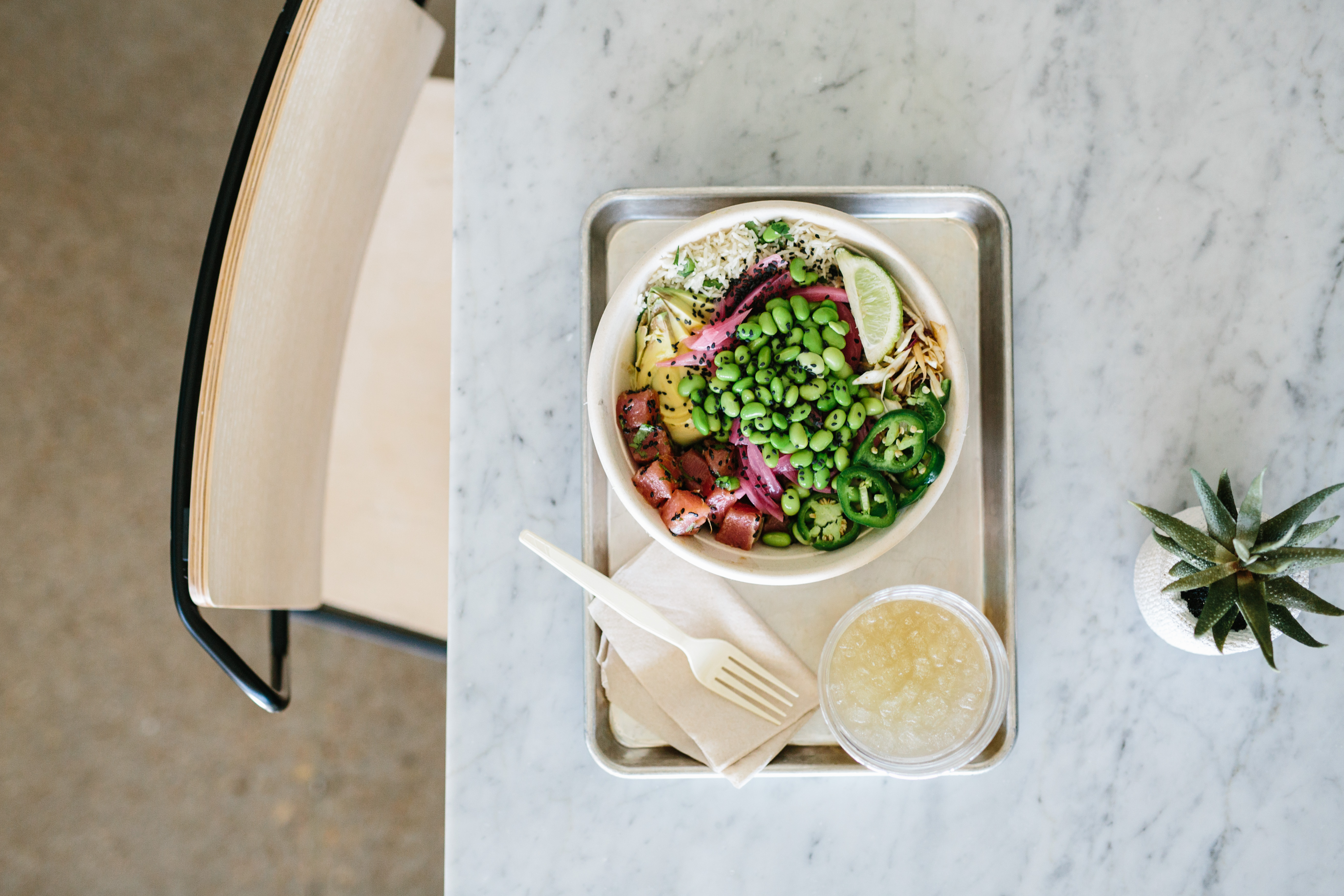
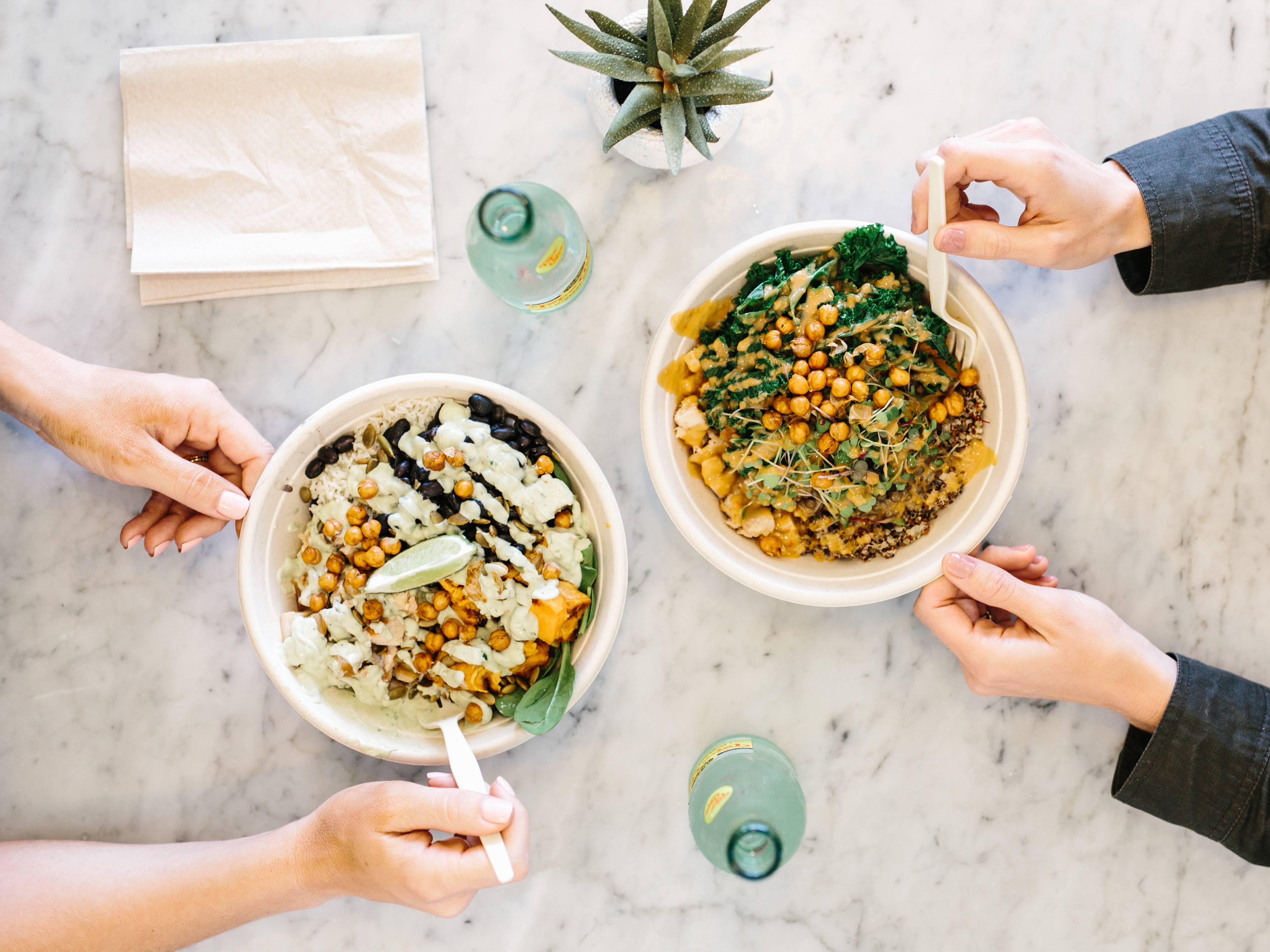
They should order either the Sedona lime or the Aloha poke bowl. Sedona lime is what I like to call our every man’s bowl (think a Chipotle bowl with sweet potatoes and spinach sourced with a bunch of local ingredients). It’s really approachable and it’s everyone’s favorite. It has our favorite sauce in it (cashew lime crèma sauce) which is an avocado based sauce. The Aloha poke bowl is actually our number one selling bowl right now. What’s funny about that as we almost didn’t put poke on our menu at all, but realized it was such a trendy thing and it was relatively easy for us to add.

When can we expect to see a new restaurant or where? 

Without giving too much away, the next restaurant will be in Austin within a year now.
 

Last question, if someone should hear anything from your experience with Honest Mary’s, what should they hear?

Seek to value and treat others well. It’s worth it.


For more information be sure to visit their website at: 
https://www.honestmarys.com/


To see past interviews, click below:
Past Interviews